

Understanding Company Van Tax (BiK): A Guide for Business Owners

If your business runs a van fleet, you've probably heard Company Van Tax and Benefit-in-Kind (BiK) used interchangeably – that's because they're the same thing.
You might also see it referred to more broadly as company vehicle tax, since it covers how HMRC treats vehicles supplied by an employer.
Company Van Tax is the everyday name for the charge HMRC applies when an employee gets private use of a company van, and BiK is the technical term you'll see on a payslip or P11D form.
Understanding how it works – and when it applies – can save your business and your employees real money.
BiK Meaning: What is Company Van Tax?
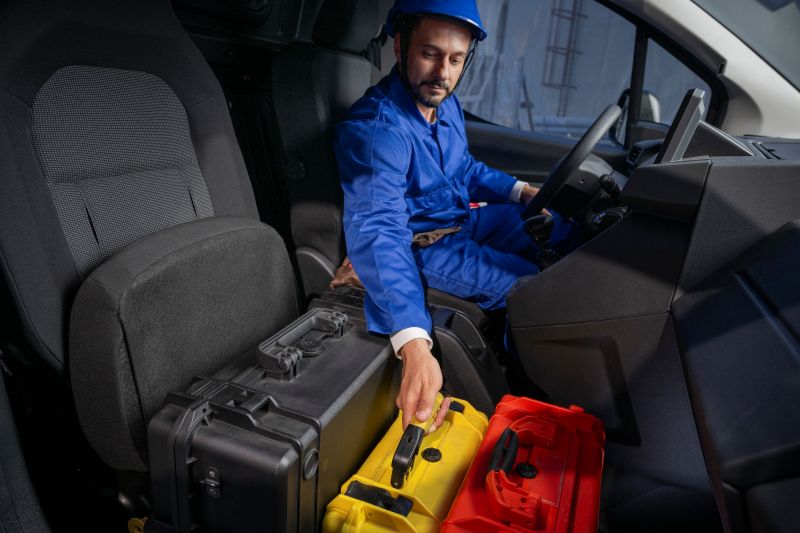
When an employer provides a van that can be used for more than pure business travel, HMRC treats that private use as a taxable benefit – a perk on top of salary. The employer pays Class 1A National Insurance on the value of that benefit, and the employee pays income tax on it through BiK. Get the private-use rules right, though, and plenty of businesses find their vans sit outside this charge altogether.
Which Businesses Does it Apply to?
Company vans aren't just a limited company thing – sole traders, partnerships, LLPs, charities and public sector bodies can all provide them too. But the tax treatment isn't the same across the board:
Sole traders, partnerships, LLPs, charities and similar organisations generally don't pay company van tax rates at all, regardless of how the van is used
Limited companies (LTDs) and Public Limited Companies (PLCs) become liable for both employer NIC and employee BiK the moment a van has any private use beyond 'insignificant'
What Counts as a 'Van' for Tax Purposes?
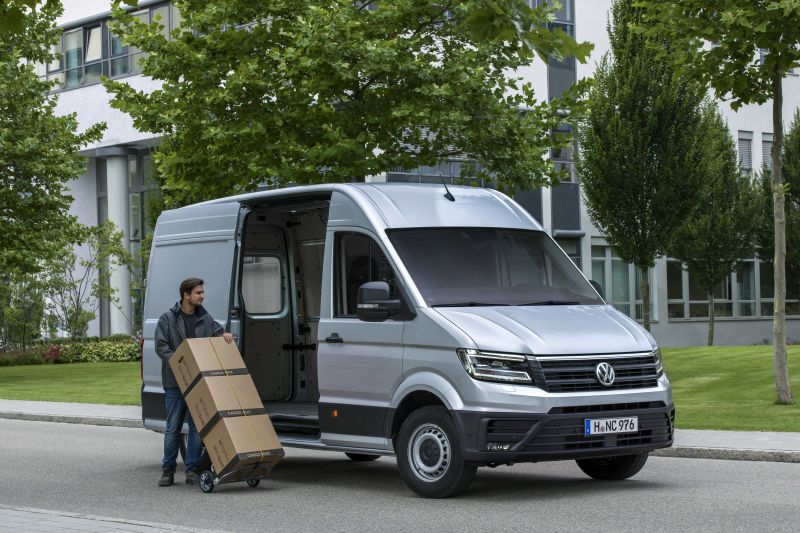
Not every commercial-looking vehicle qualifies for van BiK rates. HMRC's definition needs the vehicle to be primarily built for carrying goods or burden, with a gross weight not exceeding 3,500kg when fully laden. This is sometimes called BiK for commercial vehicles, since HMRC's van definition sits within the wider commercial vehicle category alongside pick-ups and other light commercial vehicles.
Minibuses and anything designed mainly to carry passengers fall outside this. Car-derived vans can still qualify – provided the rear seats and seatbelts are removed, a load floor's fitted, and the rear windows are opaque.
Does Private Use Affect your Tax Break?
This is where most confusion sits. HMRC draws a line between 'insignificant' private use – an occasional detour to grab a newspaper on the way to a job – and anything patterned, routine or extended, like regular school runs or weekend shopping trips.
Vans used only for business journeys, or for ordinary commuting, generally stay outside the BiK charge entirely – one of the more employee-friendly parts of van BiK compared with company car tax. Pool vans – shared by more than one employee, kept at the workplace, and used only for business – are exempt from reporting altogether too.
How is Company Van BiK Calculated?
Unlike company car tax, which is based on list price and CO2 emissions, van BiK uses a single flat rate set by HMRC each year – also known as BiK on a company van. This flat-rate approach makes BiK for vans far easier to budget for than the emissions-based sums used for company cars.
For 2026/27, that's £4,170, plus £798 if your employer also covers fuel for private mileage. Electric van BiK rates are £0. Working out what an employee pays is simple: multiply the flat rate by their tax band. A 20% taxpayer pays 20% of £4,170 – £834 a year.
Three things can reduce that bill further: the van being unavailable for 30 consecutive days, the employee contributing towards private use, or the van being shared, in which case the flat rate is split between drivers.

Pick-Up Trucks: A Different Set of Rules
Pick-up trucks used to follow the same van tax rules – that changed from 6 April 2025. Double-cab pick-ups with a payload of one tonne or more are now taxed as cars, not vans, meaning the charge is based on CO2 emissions rather than a flat rate – often a much bigger bill for higher-emission models.
If you bought, leased or ordered a qualifying pick-up before that date, you keep the old van-rate treatment until the vehicle's sold, the lease ends, or 5 April 2029, whichever comes first. Single-cab pick-ups aren't affected.
We've covered exactly what changed in our double-cab pick-up tax guide.
Getting your Company Van Tax Right
Company van tax rewards businesses that keep things simple, and once you're familiar with HMRC's company van rules, staying compliant is straightforward. Clear mileage records, a well-defined private-use policy, and knowing where your vehicles sit under HMRC's van definition all go a long way toward avoiding a surprise bill.
If you're weighing up your options – including how electric vans, pool arrangements or fleet choices might reduce your tax exposure – it's worth speaking to your accountant, and our team's always happy to talk through what's available on the market.
Vansdirect is Here to Help You and Your Business
Company Van Tax rules can get complicated fast, especially once private use, pool arrangements or electric vans come into the mix.
If you're not sure how a new lease or fleet change might affect your BiK position, our team at Vansdirect is on hand to talk through your options – from choosing the right van for your business to understanding how your usage patterns might affect what you pay.
Get in touch with our team today for friendly, no-pressure advice, or to ask about any other questions you might have around leasing, tax, or finding the right van for the job.