

What Is The Cleanest and Most Economical Diesel Pick-Up Truck?
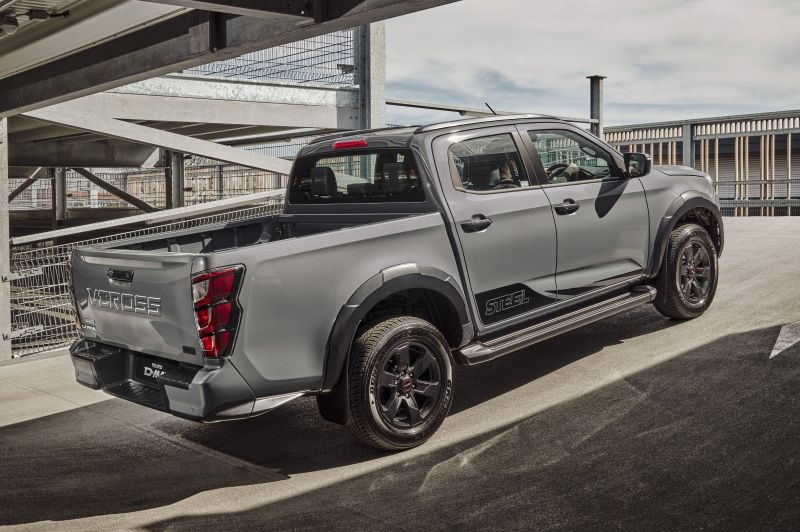
The pick-up truck sector is going through a period of major change in the wake of a change to the Benefit-in-Kind (BiK) tax classification, which has made reviewing fuel economy and CO2 emissions more important than ever.
It has led to manufacturers turning their attention to alternative fuel sources for the next generation of pick-up trucks, including the Ford Ranger PHEV (Plug-in Hybrid), the KGM Musso EV, the Isuzu D-Max EV and the upcoming Toyota Hilux EV.
Despite this, for many diesel power – which allows for maximum towing abilities, generous payload capacities and grunty pulling power, especially off-road – remains essential to some business tasks.
With CO2 now a major factor in BiK tax payments and the impact worldwide events are having on fuel prices, we’ve broken down the key economical figures for each pick-up truck on sale in the UK.
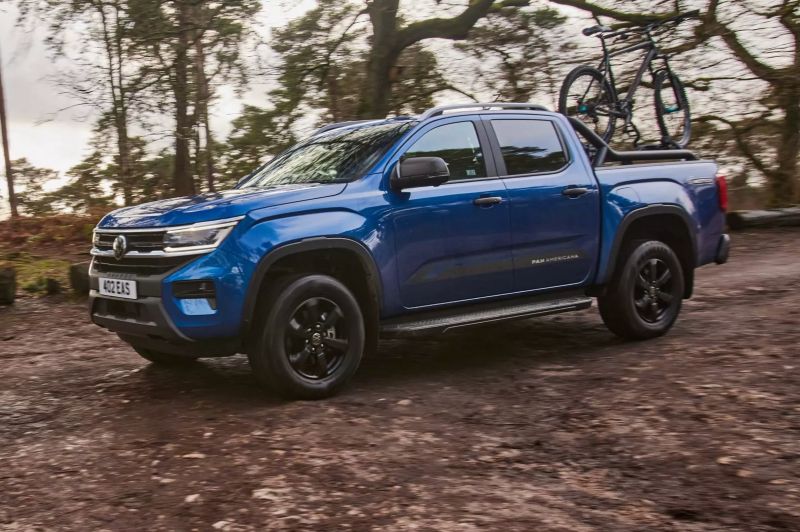
What is the Benefit-in-Kind (BiK) Pick-Up Truck Tax Change?
Introduced in May 2025, while the erstwhile tax regulation was based on payload capacity, the new system is measured on the number of seats in any vehicle (four or more).
This effectively impacts Double Cab pick-up trucks with a rear passenger compartment, meaning they are subject to BIK (Benefit-In-Kind) tax rate using a figure based on CO2 emissions, like a standard company car.
As these models generate higher emissions than most vehicles, taxpayers could be paying out thousands a year more on their car tax if they own a diesel pick-up truck.
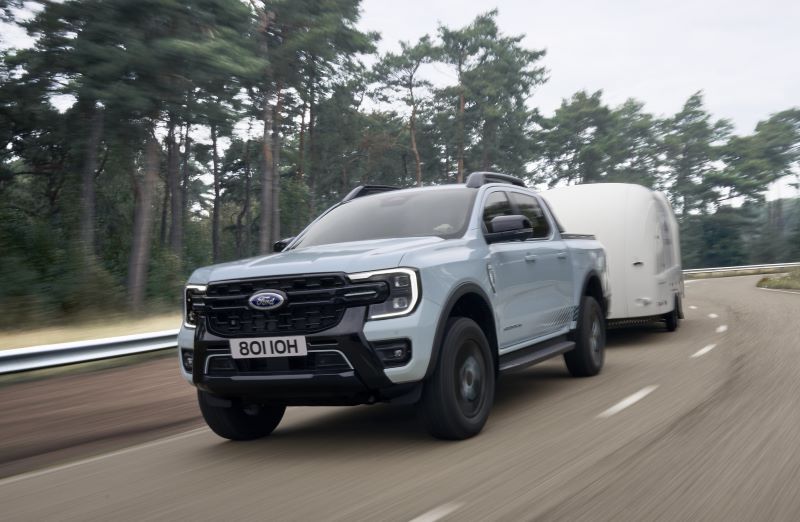
How to Improve Fuel Economy in Your Pick-Up Truck
- Smoother Driving: We all think we’re great drivers, but the vast majority of us could definitely stand to be smoother ones. That means being less leaden on the throttle pedal – especially accelerating from stationary - braking earlier for corners, and conducting smoother gear changes if you drive a manual. Cumulatively, it will make a huge difference to your fuel economy figures.
- Lift and Coast: As well as braking earlier for corners or junctions, try to pre-empt traffic lights by lifting earlier and trying to reach them when they turn green without stopping.
- Lighter Loads: If you don’t need to carry loads on your pick-up truck flat bed – such as tools and equipment– consider removing them more regularly as a lighter vehicle will use less fuel
- Higher Gears: If you can help it (and it’s not too hilly), change up sooner in the rev range and try to hold higher gears for longer. While the pick-up truck will not be as responsive to throttle inputs at mid-speed, it will save a lot of fuel

Diesel Pick-Up Truck Fuel Economy & CO2 Emissions
| Diesel Pick-Up Truck | Engine | Capacity | BHP | MPG | CO2 |
| Ford Ranger | 3.0-litre EcoBlue V6 | 2993cc | 240bhp | 27.0mpg | 269-277g/km |
| Isuzu D-Max | 1.9-litre TDI | 1898cc | 164bhp | 31-33mpg | 226-235g/km |
| KGM Musso | 2.2-litre Diesel | 2157cc | 202bhp | 30-33mpg | 221-246g/km |
| Maxus T60 MAX | 2.0-litre Diesel | 1996cc | 213bhp | 31.0mpg | 239g/km |
| Toyota Hilux | 2.4-litre D-4D | 2939cc | 150bhp | 33.0mpg | 259-272g/km |
| Toyota Hilux | 2.8-litre D-4D | 2755cc | 204bhp | 28-33mpg | 259-272g/km |
| Volkswagen Amarok | 3.0-litre TDI V6 | 2993cc | 240bhp | 28.0mpg | 264-271g/km |
*Fuel economy and CO2 figures based on WLTP (World Harmonized Light Vehicle Test Procedure) as reported by manufacturers in official model public material. This means vehicles are placed through a series of tests and scenarios to determine an average fuel consumption figure by an independent body. Actual fuel economy will vary depending on myriad factors such as load, road conditions, weather conditions and driving style.
Most Economical Pick-Up Trucks
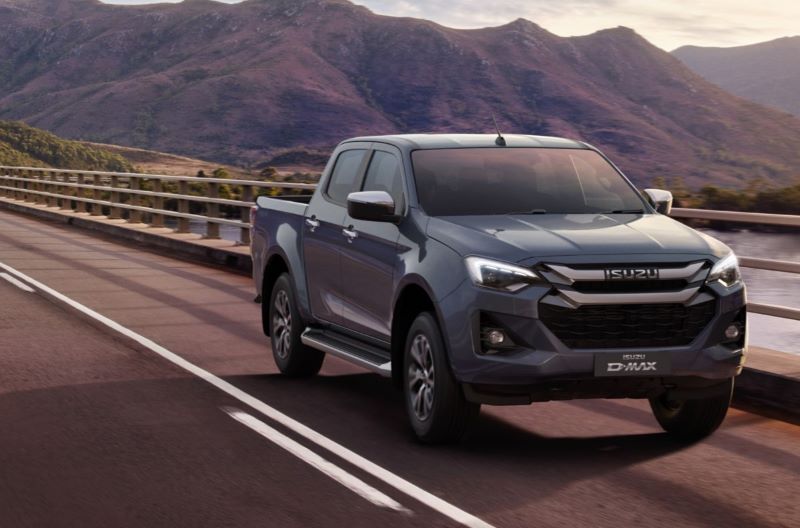
Isuzu D-Max
There is very little to choose between the top three here when it comes to determining the most economical pick-up truck, which means getting the most favourable return will largely depend on how you drive.
Nevertheless, the Isuzu D-Max with its relatively small 1.9-litre engine is most likely to return the best fuel economy figures – upwards of 33mpg – in part because it has the lightest gross vehicle weight.
However, it is worth noting that the coming weeks will see that engine replaced by a new, more efficient 2.2-litre turbodiesel engine that promises better fuel economy and lower CO2 emissions.
There is also an incoming electric D-Max due to arrive this summer.
See Isuzu D-Max Pick-Up Truck Deals
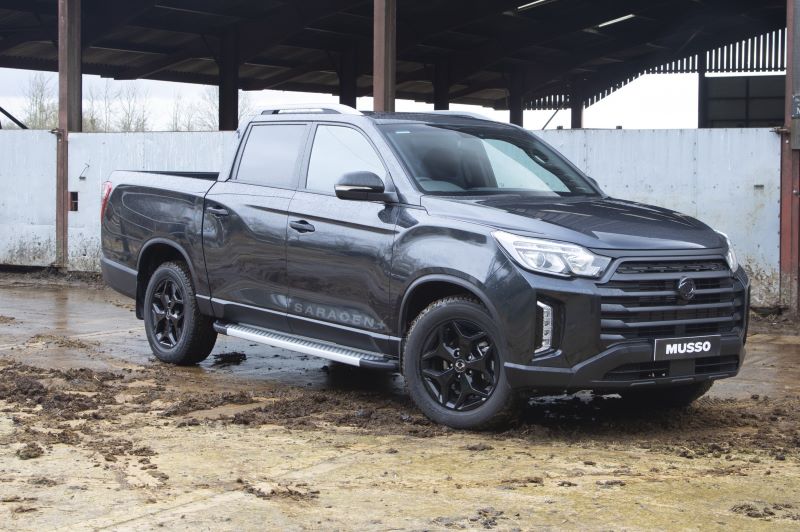
KGM Musso
The KGM Musso goes toe-to-toe with the D-Max in terms of fuel economy, though ironically it is the better option if you literally need to tow something.
The best returns from the 2.2-litre turbodiesel engine – which is available as the single option across the range – will be determined by whether you choose the less-emitting manual version or the automatic.
The same engine will be used to power the all-new KGM Musso Rhino, though specifications for this haven’t been announced as yet. Alternatively, the electric KGM Musso EV is now out.
See KGM Musso Pick-Up Truck Deals
Toyota Hilux
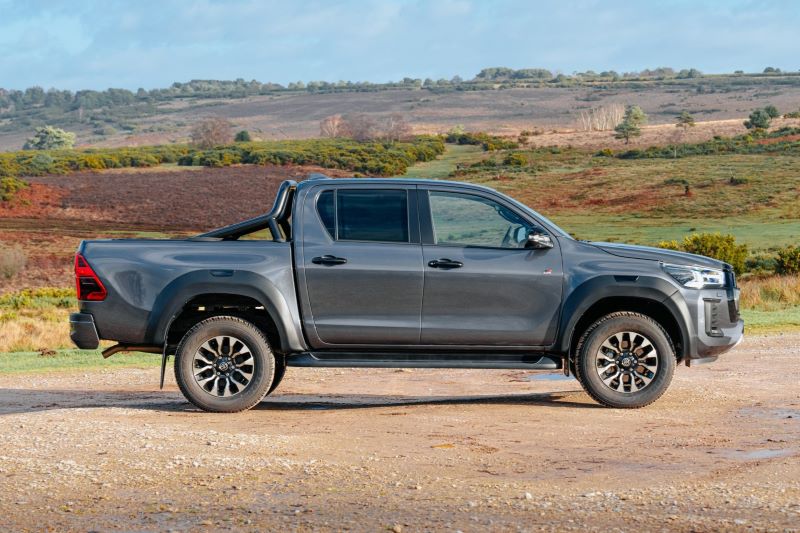
Unlike other pick-up trucks here, the Toyota Hilux is offered with the choice of a 2.4-litre or a 2.8-litre turbodiesel engine.
Whichever you choose, however, the fuel returns are relatively similar, the result of the 2.8-litre being a newer, more efficient unit.
However, a new Hilux is on the way and will be sold with either the 2.8-litre turbodiesel or an electric powertrain.
See Toyota Hilux Pick-Up Truck Deals
Maxus T60 MAX
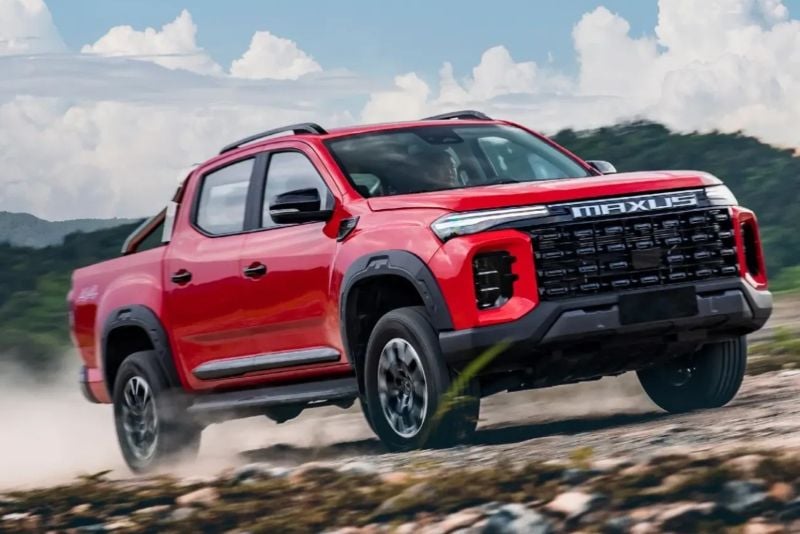
The Maxus T60 MAX fulfils the brief for a diesel-fuelled pick-up truck in the Chinese marque’s range, while the Maxus eTerron 9 is already here as an electric alternative.
The T60 MAX sits between other four-cylinder pick-up trucks and the V6-powered Ranger/Amarok in terms of power, which explains why it gives up some ground in terms of fuel economy.
See Maxus T60 MAX Pick-Up Truck Deals
Volkswagen Amarok
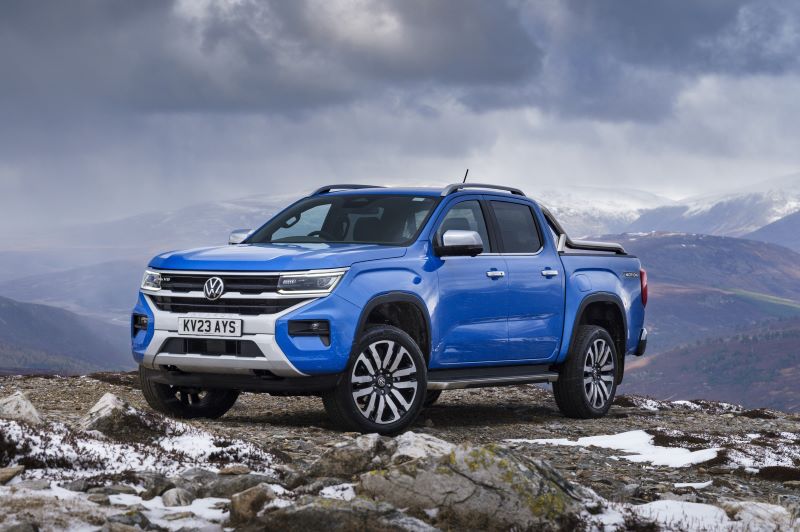
The recent phase out of the 2.0-litre turbodiesel engine from the Volkswagen Amarok range means the German pick-up truck is now only available with a 3.0-litre V6 diesel.
It’s the same unit that can be found in the Ford Ranger (below) but the Amarok does not (yet) offer a plug-in hybrid alternative that has effectively been introduced to supersede the 2.0-litre engine.
Being bigger and more powerful than the engines available with the above pick-up trucks means the Amarok returns less favourable fuel returns, though the differences are relatively marginal.
As such, if you need the power and torquey pulling power of a V6 engine, it’s still a worthy option.
NOTE: The recentness of the decision to phase out the 2.0-litre turbodiesel means it is possible there is still a supply of these models on Vansdirect. Check stock for more information
See Volkswagen Amarok Pick-Up Truck Deals
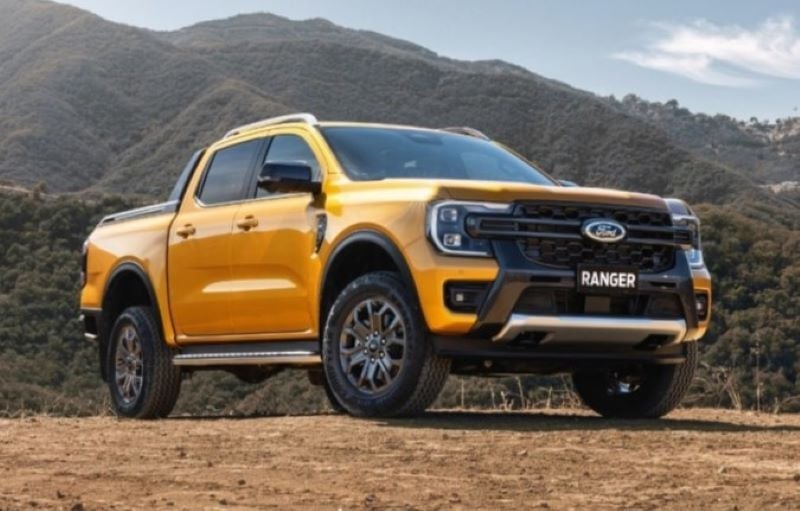
Ford Ranger
Like the Amarok, the mechanically similar Ford Ranger has also slimmed its range recently to phase out the previous 2.0-litre engine in favour of just the single diesel option, the 3.0-litre V6.
Unlike the Amarok, however, the Ranger is also offered as a plug-in hybrid, which offers superior fuel economy by virtue of having the benefit of a small 11.8kWh battery to support its 2.3-litre petrol engine.
While the real-world economy figures of over 80mpg will be hard to achieve, having the ability to drive on zero emission, fuel-less electric power for up to 25-miles on a full charge has a big effect on improving returns.
If you do need a diesel, however, the V6-powered 3.0-litre engine is relatively thirsty at 27mpg but does have immense pulling power with 240bhp on tap.
NOTE: The recentness of the decision to phase out the 2.0-litre turbodiesel means it is possible there is still a supply of these models on Vansdirect. Check stock for more information
See Ford Ranger Pick-Up Truck Deals