

What Is The Most Economical Small Diesel Van?
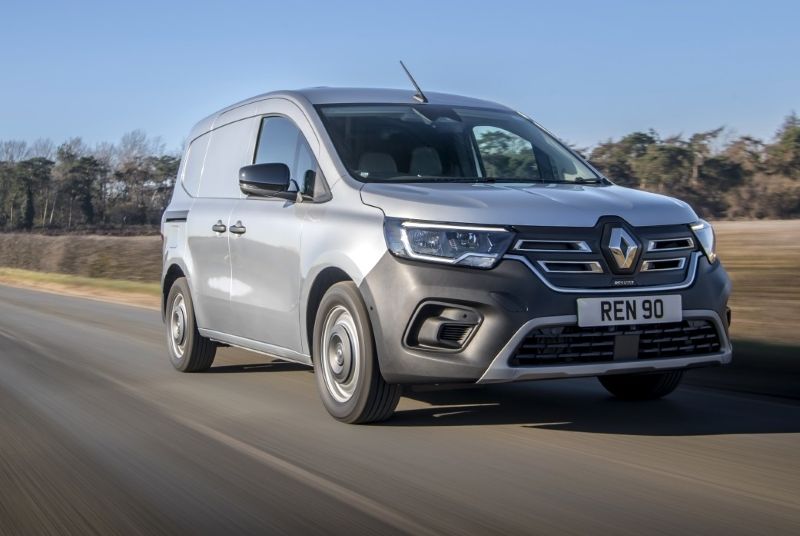
As a business, it is important to keep a close eye on outgoings and one of the big financial concerns for companies is fuel for vans.
One solution, however, is switching your business to a small diesel van – but how frugal are small diesel vans and how much money could it save you?
The small van market has grown exponentially over the last couple of decades with models like the Ford Transit Connect and Citroen Berlingo proving you can pack plenty of space into modest dimensions that have a smaller ecological footprint.
Indeed, compared to medium vans and large vans, small vans – most of which are available with particularly frugal turbodiesel units – often feature lower capacity engines that will return superior fuel economy, a saving you will see each time you visit the fuel pumps.
They’re also compact and easy-to-manoeuvre, making them ideal for use in busy urban areas like cities or town centres.
While not as capacious as medium or large vans, many small vans can still haul between 700-1000kg, while it is possible to make use of load bays of up to 4.3 cubic metres.
If a small van’s payload and load space is sufficient for your business, you could save money by choosing an economical diesel-fuelled model.
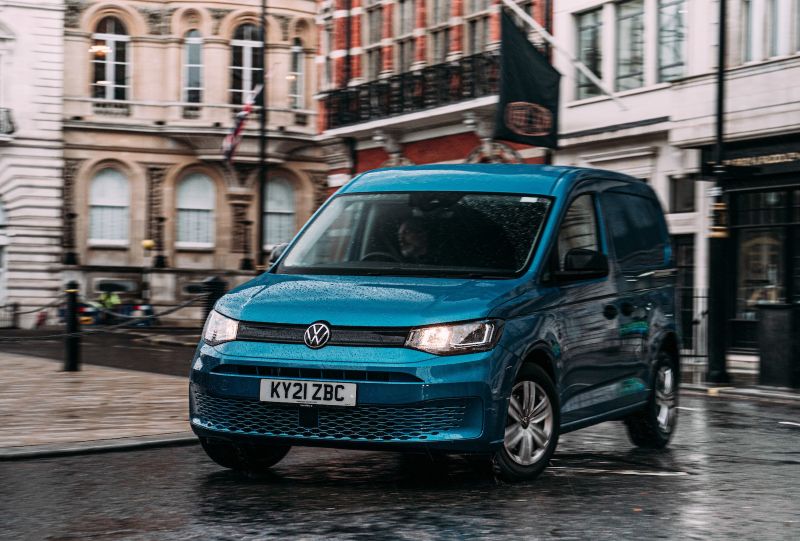
Which Engine Is Best for a Small Van?
- Turbodiesel
Turbodiesel engines are the most commonplace choice for small vans and are thus widely available across the sector. Diesel engines are renowned for strong torque lower in the rev range, making it ideal for hauling heavy payloads, and delivering superior fuel economy
- Petrol
A handful of popular small van options – including the Ford Transit Courier, Renault Kangoo and Nissan Townstar – are available with the option of a petrol engine. More affordable than diesel to buy, they are also cleaner and more efficient in lower speed environments such as cities and towns.
- Electric
With zero exhaust emissions and requiring only the cost of recharging either at home or with a public device, electric small vans greatly reduce running costs and are significantly kinder to the environment. Many popular small vans are available with an electric option, including the Citroen e-Berlingo, Renault Kangoo E-Tech and Ford E-Transit Courier.
- Plug-in Hybrid
Often paired with a petrol engine, plug-in hybrids offer the best of both worlds with a small battery unit enabling up to 70 miles of driving on electric power alone (Ford Transit Connect PHEV, Volkswagen Caddy eHybrid), while retaining the reassurance of engine power too.
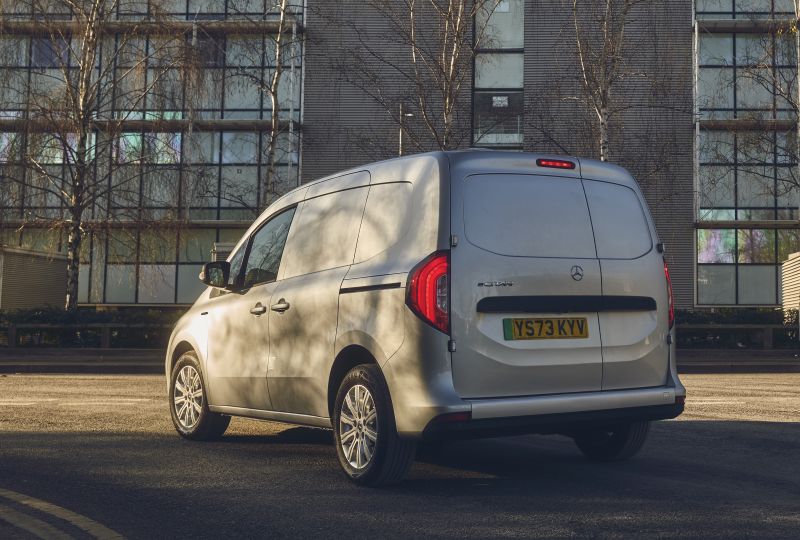
How to Improve Fuel Economy in Your Van
- Smoother Driving: We all think we’re great drivers, but the vast majority of us could definitely stand to be smoother ones. That means being less leaden on the throttle pedal – especially accelerating from stationary - braking earlier for corners, and conducting smoother gear changes if you drive a manual. Cumulatively, it will make a huge difference to your fuel economy figures.
- Lift and Coast: As well as braking earlier for corners or junctions, try to pre-empt traffic lights by lifting earlier and trying to reach them when they turn green without stopping.
- Lighter Loads: If you don’t need to carry loads in your van – such as tools and equipment you just keep in there at all times – consider removing them more regularly as a lighter van will use less fuel
- Higher Gears: If you can help it (and it’s not too hilly), change up sooner in the rev range and try to hold higher gears for longer. While the van will not be as responsive to throttle inputs at mid-speed, it will save a lot of fuel
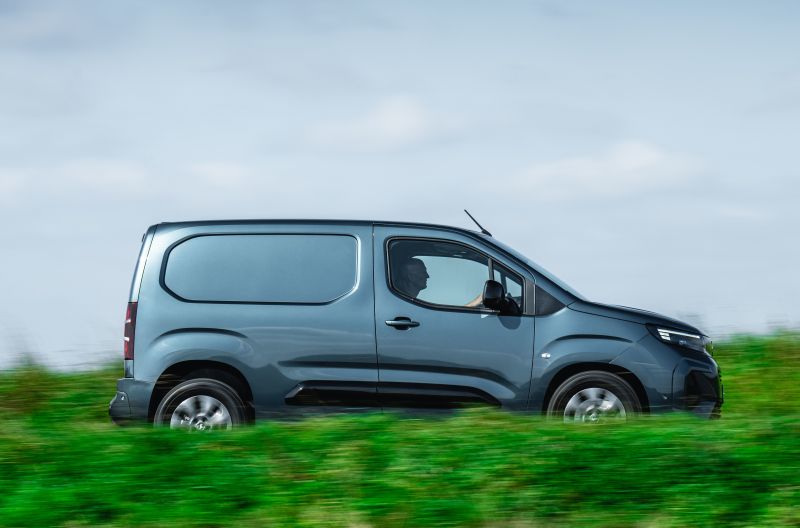
Small Diesel Van Fuel Economy & CO2 Emissions
Mercedes-Benz CitanMercedes-Benz CitanPeugeot PartnerPeugeot PartnerRenault KangooRenault KangooVauxhall ComboVauxhall ComboVolkswagen CaddyVolkswagen Caddy
| Medium Van | Engine | Fuel | Capacity | BHP | MPG | CO2 |
| Citroen Berlingo | 1.5-litre BlueHDi 100 | D | 1499cc | 102bhp | 54.4mpg | 136g/km |
| Citroen Berlingo | 1.5-litre BlueHDi 130 | D | 1499cc | 131bhp | 51.9mpg | 143g/km |
| FIAT Doblo | 1.5-litre Diesel 100 | D | 1499cc | 102bhp | 54.4mpg | 136g/km |
| FIAT Doblo | 1.5-litre Diesel 130 | D | 1499cc | 131bhp | 51.9mpg | 143g/km |
| Ford Transit Courier | 1.5-litre EcoBlue 100 | D | 1499cc | 100bhp | 49.6-53.3mpg | 140-149g/km |
| Ford Transit Connect | 2.0-litre EcoBlue 100 | D | 1968cc | 102bhp | 51.3-52.3mpg | 142-144g/km |
| Ford Transit Connect | 2.0-litre EcoBlue 125 | D | 1968cc | 122bhp | 49.2-50.8mpg | 146-151g/km |
| Ford Transit Courier | 1.5-litre CDTi 110 | D | 1461cc | 94bhp | 50.4-54.3mpg | 136-147g/km |
| Ford Transit Courier | 1.5-litre CDTi 112 | D | 1461cc | 114bhp | 50.4-52.3mpg | 140-147g/km |
| Ford Transit Courier | 1.5-litre BlueHDi 100 | D | 1499cc | 102bhp | 54.4mpg | 136g/km |
| Ford Transit Courier | 1.5-litre BlueHDi 130 | D | 1499cc | 131bhp | 51.9mpg | 143g/km |
| Ford Transit Courier | 1.5-litre Blue dCi 95 | D | 1461cc | 95bhp | 48.7-54.3mpg | 141-152g/km |
| Ford Transit Courier | 1.5-litre Blue dCi 115 | D | 1461cc | 115bhp | 47.9-52.3mpg | 141-152g/km |
| Ford Transit Courier | 1.5-litre Turbo D 100 | D | 1499cc | 102bhp | 54.4mpg | 136g/km |
| Ford Transit Courier | 1.5-litre Turbo D 130 | D | 1499cc | 131bhp | 51.9mpg | 143g/km |
| Ford Transit Courier | 2.0-litre TDI 75 | D | 1968cc | 74bhp | 50.4-52.3mpg | 142-146g/km |
| Ford Transit Courier | 2.0-litre TDI 102 | D | 1968cc | 101bhp | 49.6-53.3mpg | 140-150g/km |
*Fuel economy and CO2 figures based on WLTP (World Harmonized Light Vehicle Test Procedure) as reported by manufacturers in official model public material. This means vehicles are placed through a series of tests and scenarios to determine an average fuel consumption figure by an independent body. Actual fuel economy will vary depending on myriad factors such as load, road conditions, weather conditions and driving style.
Most Economical Diesel Small Vans
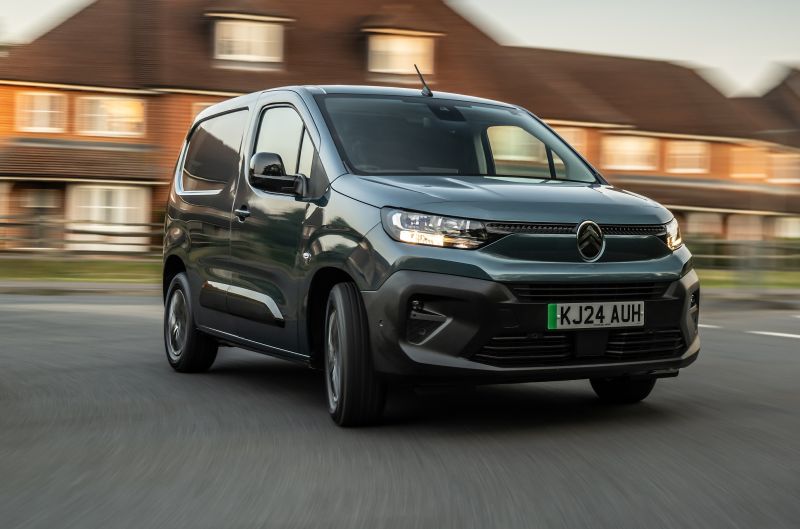
Citroen Berlingo, FIAT Doblo, Peugeot Partner, Vauxhall Combo
The UK’s most popular small van – the Citroen Berlingo - is also the most economical in diesel guise, according to figures presented by the manufacturers.
Indeed, the Stellantis-developed small van, which comprises the Citroen Berlingo, FIAT Doblo, Peugeot Partner and Vauxhall Combo, returns a generous 54.4mpg with its entry-level 102bhp (known as ‘100’) diesel engine.
Ultimately, however, it is a close-run thing between its rivals, though it should be noted that real-world figures will vary and the small margins separating these small vans means choosing one over the other should come down to business requirements, such as load space and payload.
With that in mind, however, the Berlingo/Partner/Doblo/Combo quartet offer class-leading payload of up to 982kg and large load space capacities in short and long wheelbase guise.
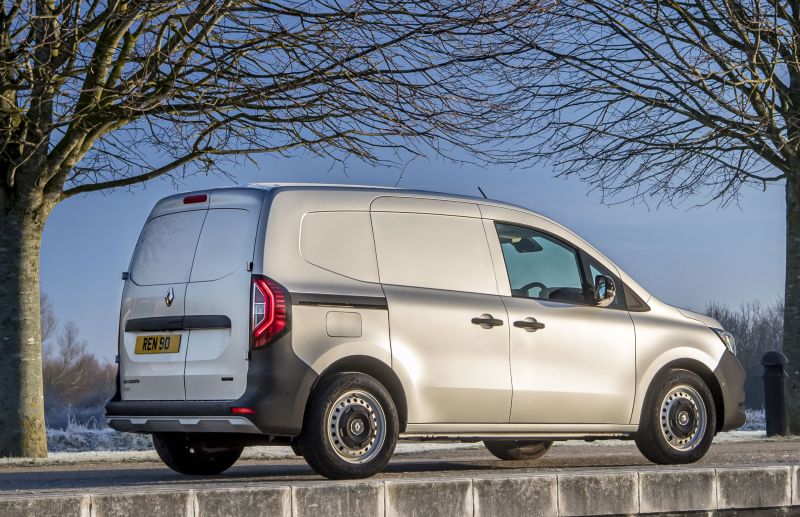
Mercedes-Benz Citan, Renault Kangoo
The mechanically similar Mercedes-Benz Citan and Renault Kangoo quote almost identical fuel economy figures in as the Stellantis quartet, at 54.3mpg, though they aren’t quite as powerful (95kg).
Like its rivals, both Citan and Kangoo supplement its diesel options with zero-emission electric versions, though the latter differs from others by being offered as a petrol-fuelled model too.
Either way, the Kangoo offers more load space than the Citan, while payload is up to 975kg.
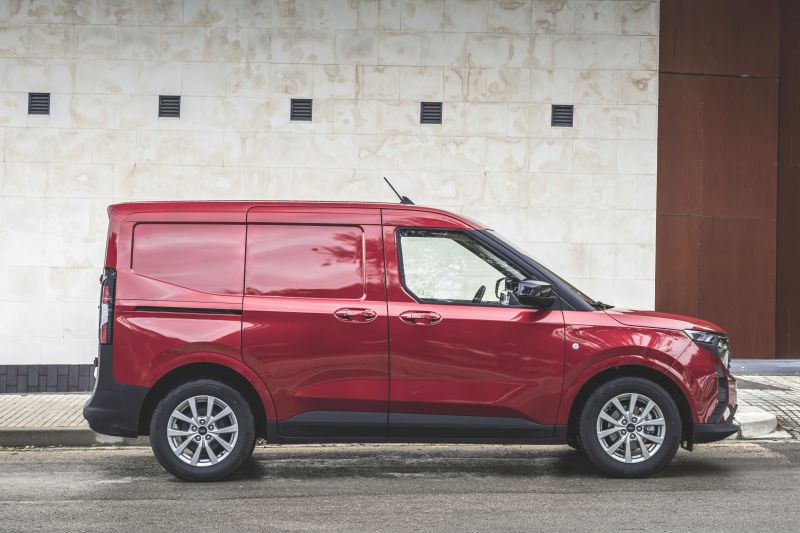
Ford Transit Courier
The Ford Transit Courier is available with a full house of powertrain options – petrol, diesel and electric.
Choosing which works best for you will depend on your needs, but the Transit Courier – which is shorter and lighter than other small vans – is frugal across the board anyway.
With a 100bhp 1.5-litre turbodiesel, the Transit Connect – which uses the same platform as the Ford Puma - will return 53.3mpg.