

Can I Drive a Van? Your Guide to Van Driving and Licences
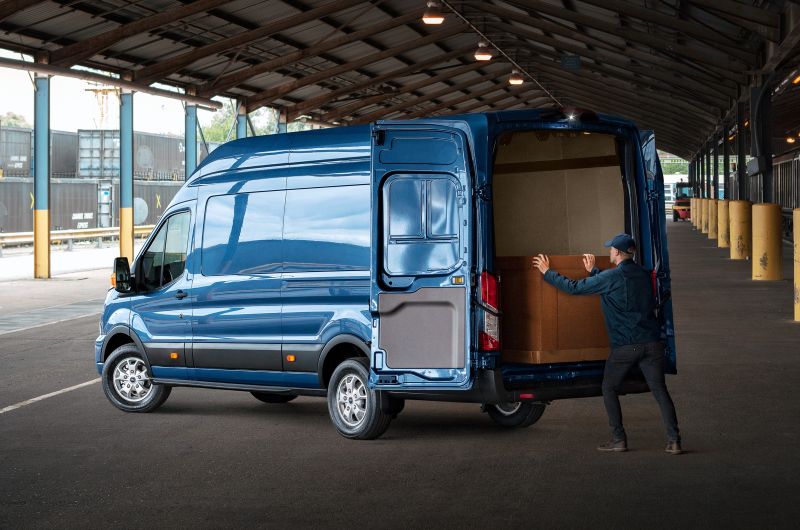
Whether you’re starting a new business, will be working as part of a fleet or simply need to move home, there is a good chance at some stage in your life you will find yourself behind the wheel of a van.
However, if a van seems big and cumbersome to you, there is a good chance it’ll cross your mind whether you’re permitted to drive a van based on your regular car licence.
No matter, here we have the ultimate walk-through to ensure you know exactly what you’re legally able to drive on your regular licence and guide you through whether you need to take any additional tests to get on your way.
First, the Good News
For the most part, the vast majority of vans on the road can be driven on your regular licence, known as a Category B licence.
That’s to say, if you passed your test in a conventional manner and drive a regular car on the road, it qualifies you to drive most vans straight away.
Can I Drive a Van with my Regular Driving Licence?
While your regular driving licence doesn’t permit you to drive every van out there, you are legally able to get behind the wheel of a van that doesn’t exceed the standard 3.5-tonnes (3500kg) gross vehicle weight (GVW) with a Category B licence.
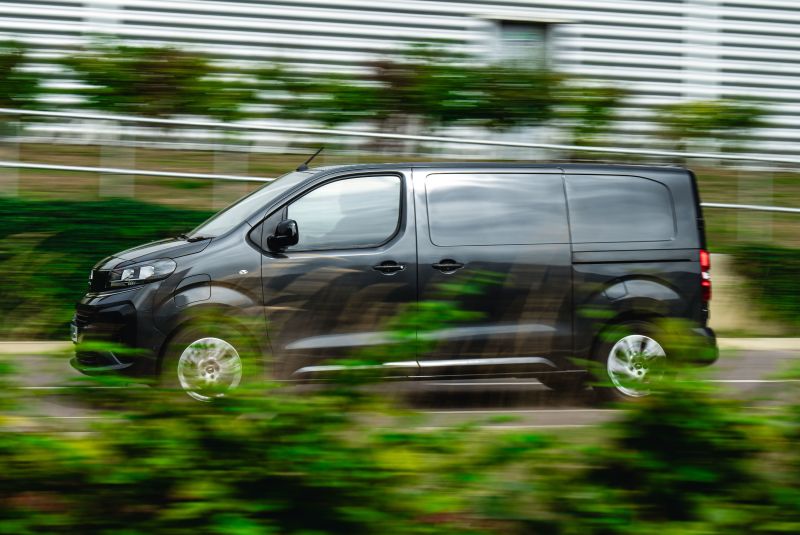
If you don’t know what that looks like, that will include all small vans – such as a Citroen Berlingo or Renault Kangoo – and should also include all medium vans – such as a Ford Transit Custom or Vauxhall Vivaro.
It also includes most large vans. Manufacturers that operate in this space will for the most part use the 3.5-tonne maximum weight as a barometer for their models.
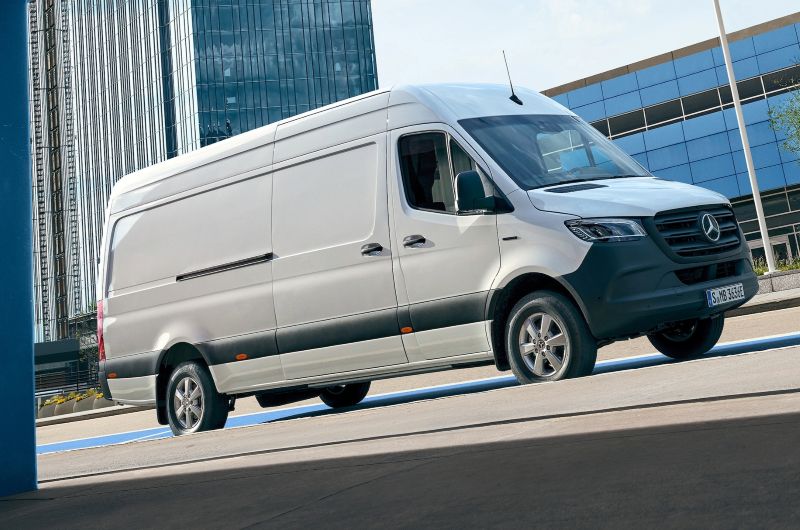
As such, to ensure the vast majority of people are able to drive them, most large vans will come with a GVW of up to 3.5-tonnes. This includes models as the Ford Transit, Vauxhall Movano and Mercedes-Benz Sprinter.
This also includes pick-up trucks, which despite being large models, don’t exceed that 3.5-tonne weight limit.
What About Large Electric Vans?
Electric power units are unavoidably heavier than their internal combustion engine counterparts, so there have been occasions in recent time that have seen large electric vans – which don’t exceed 3.5-tonnes with an ICE – cross over that threshold.
Until recently, it means a regular driving licence wouldn’t have permitted you to drive one of these vans despite the fact they are exactly the same size as ICE-equipped vans you could drive.
However, a recent change in the law allows for a dispensation for electric vans up to 4.25-tonnes. It means that even with a regular car driving licence, you can now drive a large electric van up to 4.25-tonnes legally.
How is this Calculated?
As manufacturers treat the 3.5-tonne limit as gospel to ensure as many people are permitted to drive their vans as possible, the difference in load carrying ability is calculated in the payload.
GVW is calculated based on adding the vehicle’s kerbweight (it’s base weight without any payload) and the payload that is permitted to be added.
For example, if a Ford Transit has a kerbweight of 2500kg (2.5-tonnes), then its payload is 1000kg (1-tonne), to bring it up to that maximum 3.5-tonne figure.
At this point, the payload is added by yourself manually, so it is crucial you don’t exceed that maximum payload as it will take you over the 3.5-tonne limit and would essentially mean you are driving an overloaded van illegally.
With this in mind, it is important to do your sums to ensure you don’t opt for a van that has a limited payload because it has a more excessive kerbweight.
It means that while large vans might have the most space for cargo, it doesn’t mean the cargo can be as heavy. As such, if you don’t need to increase in space, it is often found that medium vans have the most generous weight-to-payload ratio.
What About Vans with a GVW Above 3.5-tonnes?
In addition to vans up to 3.5-tonnes of GVW, many manufacturers offer large vans with higher GVWs.
These models are designed to withstand heavy duty tasks and carry heavier loads, but these are mostly aimed at businesses that have a requirement to do so – such as the building trade.
This can range from large vans that have a GVW of 5-tonnes or – in the case of the Iveco Daily – all the way up to 7.2-tonnes.
To drive these vans, however, you will need to take a special test to ensure you are legal to do so.
This is called a Category C1 licence and this will allow you drive vehicles with a GVW or up to 7.5-tonnes.
A Category C licence, meanwhile, allows you to drive even heavier duty vehicles, such as trucks and lorries.
How Can I Check which Licence I Have?
Simply take a look at the back of your driving licence photocard for details of which vehicles you are permitted to drive. You can also check the DVLA website.