


What Is The Most Economical Diesel Medium Van?
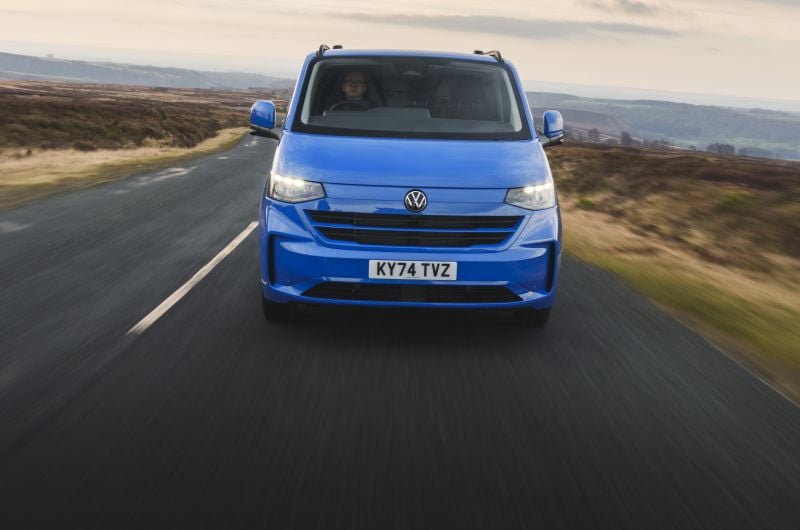
For all the talk about electric in the automotive industry, there is no getting away from the fact that diesel-fuelled engines remain the most popular powertrain of choice in the commercial vehicle industry.
In fact, it’s barely a contest, because while there has been a steady stream of (excellent) electric van options out there, such as the Farizon SV and Kia PV5, diesel vans accounted for a whopping 84.7% of all new van sales in 2025.
Of these, a significant proportion are medium-sized vans – such as the Ford Transit Custom and Vauxhall Vivaro – most of which do come with the option of diesel or electric power.
While electric vans do promise greatly reduced running costs, the awkwardness of needing to charge them conveniently and prevent downtime – particularly among fleets – is hampering their uptake.
However, that doesn’t mean you can’t save money by choosing the right diesel medium van depending on your needs, with many on the market capable of returning over 40mpg, while larger tanks compared to cars mean they will go further before needing to be refuelled.
So, which are the most economical diesel vans out there right now? Let’s find out...
How to Improve Fuel Economy in Your Van
- Smoother Driving: We all think we’re great drivers, but the vast majority of us could definitely stand to be smoother ones. That means being less leaden on the throttle pedal – especially accelerating from stationary - braking earlier for corners, and conducting smoother gear changes if you drive a manual. Cumulatively, it will make a huge difference to your fuel economy figures.
- Lift and Coast: As well as braking earlier for corners or junctions, try to pre-empt traffic lights by lifting earlier and trying to reach them when they turn green without stopping.
- Lighter Loads: If you don’t need to carry loads in your van – such as tools and equipment you just keep in there at all times – consider removing them more regularly as a lighter van will use less fuel
- Higher Gears: If you can help it (and it’s not too hilly), change up sooner in the rev range and try to hold higher gears for longer. While the van will not be as responsive to throttle inputs at mid-speed, it will save a lot of fuel
Diesel Medium Van Fuel Economy & CO2 Emissions
|
Medium Van |
Engine |
Capacity |
BHP |
MPG |
CO2 |
|
1.5-litre BlueHDi 120 |
1499cc |
120bhp |
39.7 - 40.9mpg |
184-187g/km |
|
|
2.2-litre BlueHDi 150 |
2184cc |
150bhp |
38.2 - 40.9mpg |
184-194g/km |
|
|
2.2-litre BlueHDi 180 |
2184cc |
180bhp |
38.2 - 39.2mpg |
191-195g/km |
|
|
1.5-litre Diesel 120 |
1499cc |
120bhp |
39.8 - 44.8mpg |
184-187g/km |
|
|
2.2-litre Diesel 150 |
2184cc |
150bhp |
38.2 - 40.9mpg |
184-194g/km |
|
|
2.2-litre Diesel 180 |
2184cc |
180bhp |
38.2 - 39.2mpg |
191-195g/km |
|
|
2.0-litre EcoBlue 110 |
1996cc |
108bhp |
39.2 - 40.4mpg |
184-189g/km |
|
|
2.0-litre EcoBlue 136 |
1996cc |
134bhp |
33.6 - 39.8mpg |
187-220g/km |
|
|
2.0-litre EcoBlue 150 |
1996cc |
148bhp |
33.2 - 38.7mpg |
190-224g/km |
|
|
2.0-litre EcoBlue 170 |
1996cc |
168bhp |
30.1 - 36.7mpg |
202-246g/km |
|
|
2.0-litre D20 150 |
1996cc |
148bhp |
33.6 - 35.8mpg |
211-223g/km |
|
|
2.0-litre 114 CDI |
1950cc |
134bhp |
39.8mpg |
186g/km |
|
|
2.0-litre 116 CDI |
1950cc |
161bhp |
39.8mpg |
187g/km |
|
|
2.0-litre 119 CDI |
1950cc |
188bhp |
38.7mpg |
190g/km |
|
|
2.0-litre dCi 110 |
1997cc |
108bhp |
39.0 - 41.0mpg |
N/A |
|
|
2.0-litre dCi 130 |
1997cc |
128bhp |
41.5 - 42.2mpg |
176-179g/km |
|
|
2.0-litre dCi 150 |
1997cc |
148bhp |
35.8 - 42.2mpg |
177-202g/km |
|
|
2.0-litre dCi 170 |
1997cc |
168bhp |
39.8 - 40.9mpg |
182-186g/km |
|
|
2.0-litre Blue dCi 130 |
1997cc |
128bhp |
41.5 - 42.2mpg |
176-179g/km |
|
|
2.0-litre Blue dCi 150 |
1997cc |
148bhp |
35.8 - 42.2mpg |
177-202g/km |
|
|
2.0-litre Blue dCi 170 |
1997cc |
168bhp |
39.8 - 40.9mpg |
182-186g/km |
|
|
1.5-litre Diesel 120 |
1499cc |
120bhp |
39.8 - 44.8mpg |
184-187g/km |
|
|
2.2-litre Diesel 150 |
2184cc |
150bhp |
38.2 - 40.9mpg |
184-194g/km |
|
|
2.2-litre Diesel 180 |
2184cc |
180bhp |
38.2 - 39.2mpg |
191-195g/km |
|
|
1.5-litre Turbo D 120 |
1499cc |
120bhp |
40.9 - 41.8mpg |
178-181g/km |
|
|
2.0-litre Turbo D 145 |
2184cc |
150bhp |
36.4 - 37.1mpg |
201-204g/km |
|
|
2.0-litre Turbo D 180 |
2184cc |
180bhp |
38.5mpg |
195g/km |
|
|
2.0-litre TDI 110 |
1996cc |
108bhp |
37.6 - 38.6mpg |
196-199g/km |
|
|
2.0-litre TDI 150 |
1996cc |
148bhp |
32.1 - 38.6mpg |
197-229g/km |
|
|
2.0-litre TDI 170 |
1996cc |
168bhp |
35.4 - 35.9mpg |
201-209g/km |
*Fuel economy and CO2 figures based on WLTP (World Harmonized Light Vehicle Test Procedure) as reported by manufacturers in official model public material
This means vehicles are placed through a series of tests and scenarios to determine an average fuel consumption figure by an independent body. Actual fuel economy will vary depending on myriad factors such as load, road conditions, weather conditions and driving style.
Most Economical Diesel Medium Vans
Nissan Primastar
The good news here is that most diesel medium vans are similarly matched when it comes to fuel economy, so much so that the small disparities between them will come down to personal factors, such as how you drive and how much load you carry.
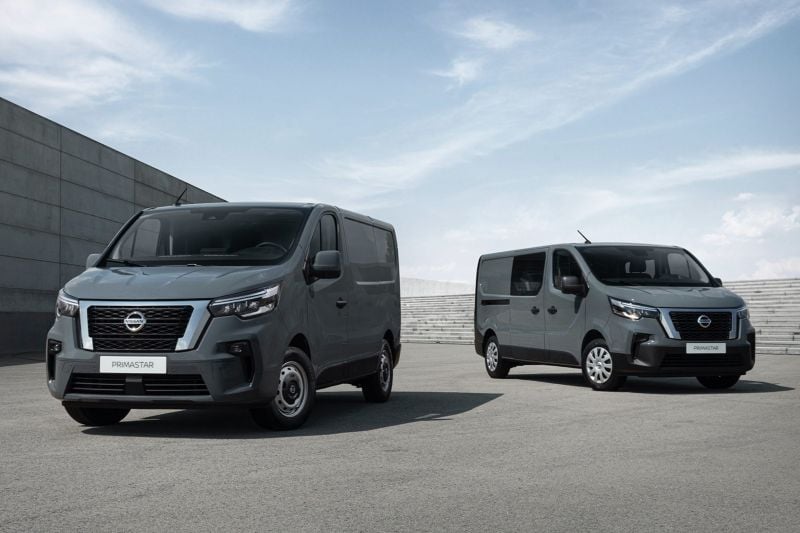
The figures you receive in the real world might differ from what is stated here, but with this in mind, the Nissan Primastar is a good place to start.
The Primastar is based on the running gear of the Renault Trafic (see below) and therefore returns identical figures according to the WLTP.
However, the Primastar – unlike the Trafic – is offered with a 110bhp version of the 2.0-litre turbodiesel engine. While this doesn’t mean better (or worse) official fuel economy figures, this is likely based on the fact a smaller engine will likely have to work harder – and therefore be less economical – if the van is carrying a heavy payload.
That said, if you tend to run your vans light the majority of the time, a less powerful engine can deliver better fuel economy figures if you drive smoothly.
Renault Trafic
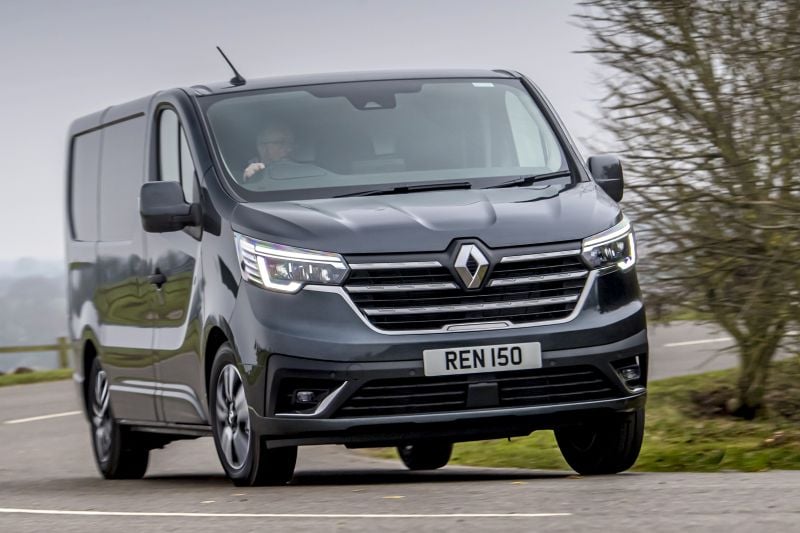
As we mention above, the Nissan Primastar and Renault Trafic are considered to be the most economical medium vans out there, albeit not by much.
In 2.0-litre Blue dCi 130 trim, the Trafic is said to return over 40mpg on a consistent basis, with highs of about 42mpg. Not only that, it’s also the cleanest in terms of CO2 emissions at 176g/km.
Citroen Dispatch, FIAT Scudo, Peugeot Expert, Toyota Proace and Vauxhall Vivaro
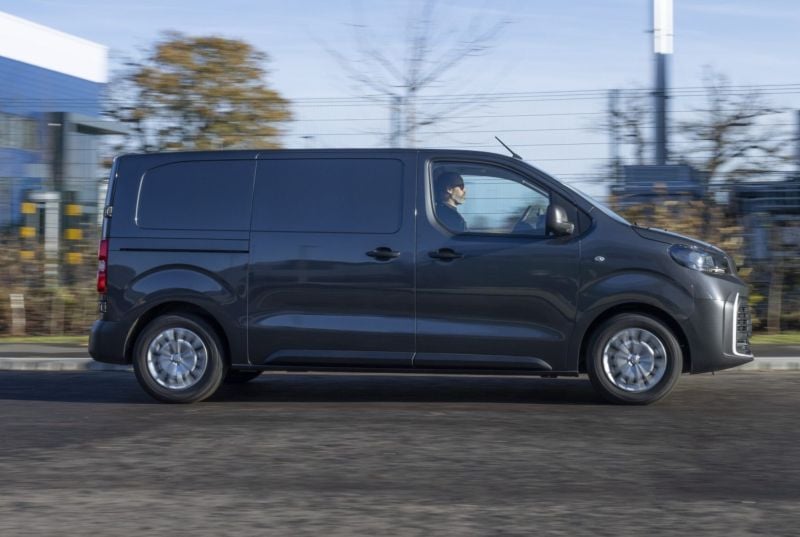
Unlike rivals that offer larger plus-2.0-litre engines, the Stellantis quartet (plus one) of Citroen, FIAT, Peugeot, Toyota and Vauxhall also offer a base 1.5-litre turbodiesel engine for their medium vans.
Generating 120bhp, this engine is the most economical of the three engine choices the manufacturers offer, though it is a relatively close-run thing.
While the 120bhp engine is ideal if you’re more likely to be driving in low-speed environments, if you need the extra torque for heavy payloads, the 2.2-litre 150bhp engine offers the best mix of power and fuel economy.
Ford Transit Custom, Volkswagen Transporter
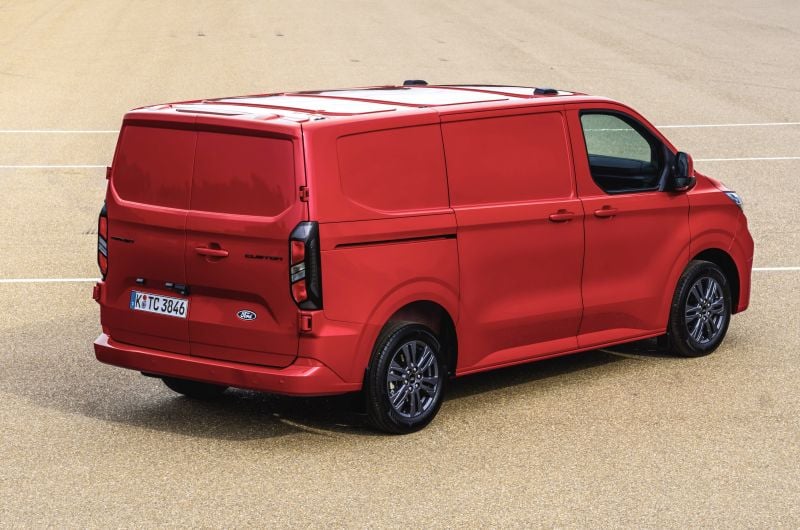
Like Nissan, the Ford Transit Custom and Volkswagen Transporter twins offer a base level 110bhp turbodiesel engine with their medium van range, though it doesn’t return the same in fuel savings.
For the Transit Custom, the 134bhp 2.0-litre turbodiesel (not offered by Volkswagen) is the most popular and ubiquitously applied across the best-seller’s range. It offers around 40mpg.
Buy a New Diesel Van with Vansdirect
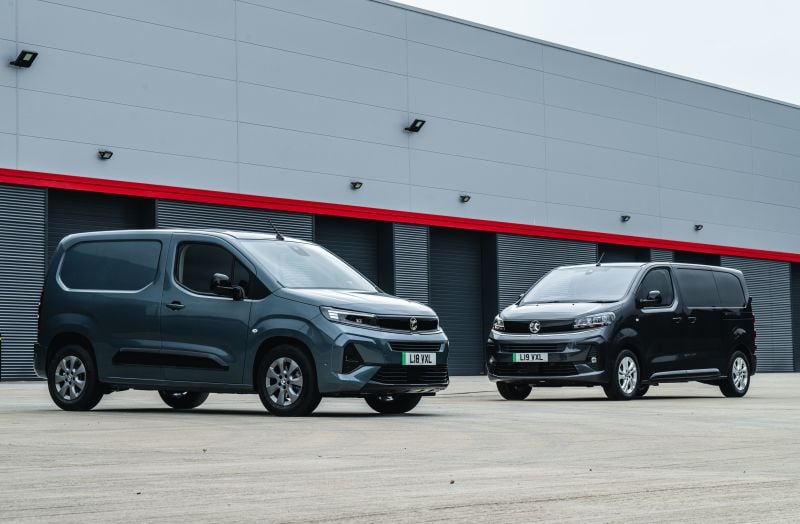
Leasing a new van with Vansdirect has never been easier or better value for your business.
Get the right van at the right deal, fast and hassle-free on the van you want, including the Vauxhall Vivaro, Ford Transit, Peugeot Partner and Renault Master.
Speak to our expert team today and you could be driving a new van sooner than you expected for less than you think.