


How to Improve Your Van's Fuel Economy
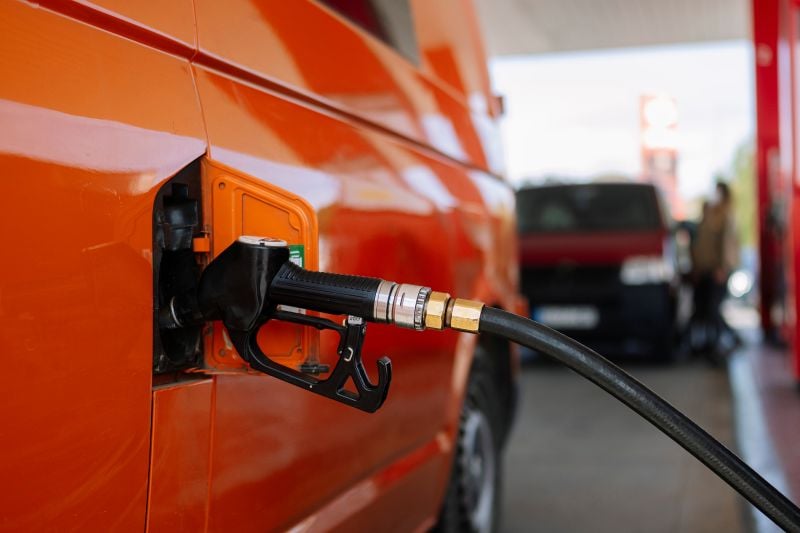
It won’t have escaped your notice that fuel prices are on the rise, but there are ways to help to counter such shifts with some small but effective changes to your driving style.
It’s common knowledge that the cost of fuel is notoriously very sensitive to numerous factors – and while they tend to spike quickly, they’re a lot more leisurely in coming back down.
Fluctuations in world events far from UK forecourts have traditionally been a driving force behind sudden increases, not least when they leave a lot of uncertainty going forward, but fuel duty tweaks and general wholesale cost changes also leave lingering marks.
Alas, for those who drive vans regularly – either for personal reasons or as part of a business – absorbing higher fuel costs is something that cannot be avoided.
However, it is worth considering what you can do to drive your van more economically and extend miles driven between each fill up.
These tips might sound minor, but if they can shave a few pounds from your fuel bill to counter any rises, then it all adds up to something positive.
And after all, reducing your running costs – regardless of what is happening to fuel prices – can only be a good thing.
Top Tips to Reduce Your Van's Running Costs
- Smoother Driving
We all think we’re great drivers, but the vast majority of us could definitely stand to be smoother ones.
That means being less leaden on the throttle pedal – especially accelerating from stationary - braking earlier for corners and conducting smoother gear changes if you drive a manual.
Cumulatively, it will make a huge difference to your fuel economy figures.
- Lift and Coast
As well as braking earlier for corners or junctions, try to pre-empt traffic lights by lifting earlier and trying to reach them when they turn green without stopping.
- Use Stop/Start
Many new vans come with stop-start systems that cut the engine when you’re stationary, such as in traffic or at the lights.
If you’re used to keeping your foot on the clutch while your stationary van is in gear, then get into the habit of popping any stop-start van into neutral and releasing the clutch.
The engine will cut out before then firing up automatically when you depress the clutch – it’s almost instantaneous, you’ll get away just as promptly and it’ll make a noticeable difference to your fuel economy returns.
If your van doesn’t have a stop-start function, you can still cut the ignition yourself – it should become a regular habit for when you’re at a standstill in stationary traffic jams. Not only will it save fuel, it’s also kinder to the environment.
- Lighter Loads
If you don’t need to carry loads in your van – such as tools and equipment you might just keep in there at all times – consider removing them more regularly as a lighter van will use less fuel
- Higher Gears
If you can help it (and it’s not too hilly), change up sooner in the rev range and try to hold higher gears for longer. While the van will not be as responsive to throttle inputs at mid-speed, it will save a lot of fuel
- Check Your Tyre Pressures
You might be surprised to find out just how much of a difference having the correct tyre pressures on your van can make.
Ensuring the tyres on your van are inflated to the correct (manufacturer recommended) tyre pressure and haven’t worn excessively can create some welcome savings at the fuel pump.
Indeed, if these are correct then there is less rolling resistance, which means an improvement in fuel economy, plus more durability.
- Fuel Finder UK
Here’s a top tip – take a look at the UK government’s new Fuel Finder service to discover which nearby petrol station offers the lowest prices.
This function was launched to ensure motor fuel traders meet their reporting duties but it also means you get live retail fuel prices for every forecourt in the country.
It’s very worthwhile checking this website right now to see where forecourts might have been slower than others in increasing prices. Generally, however, it’ll help you uncover where the cheapest fuel prices can be found in your area.
It’s Time to Consider an Electric Van
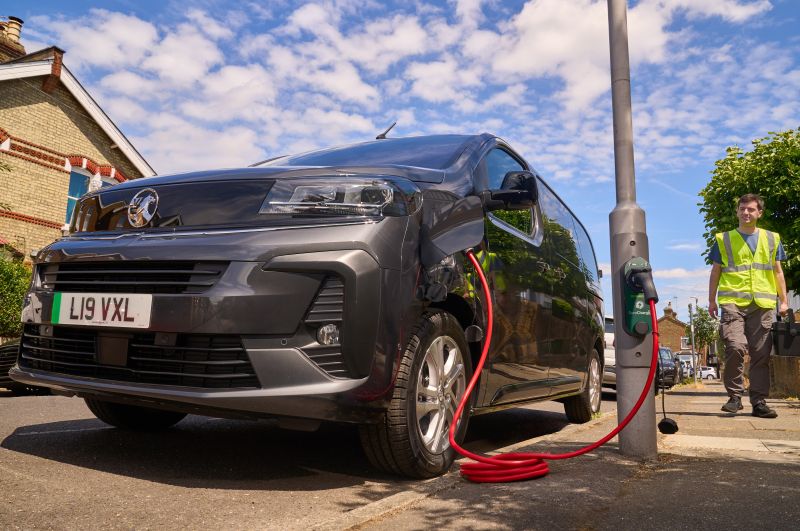
All these changes in fuel costs are just another reason to consider changing to an electric van.
Indeed, not only are electric vans not at the mercy of fuel price fluctuations, but the cost of charging one is a fraction of fuelling one.
Better still, the technology has come a long way in just a few short years, to such an extent that there are several vans on the market that can travel between 200 and 300 miles on a single charge.
If this isn’t mileage you complete in one go regularly, it really could pay off to swap to electric and bask in the vastly reduced running costs you’ll enjoy. You’ll also dodge any Ultra Low-Emission Zones, while Mother Nature will thank you too.
Moreover, there is not only a wide choice of electric vans – with most conventional diesel-powered models coming with a zero emissions alternative – but there are some excellent models out there.
From the Citroen e-Berlingo (217-miles range) and Kia PV5 (255-miles) small vans, to the Ford E-Transit Custom (235-miles) and Farizon SV (247-miles) medium vans, to the Renault Master (287-miles) and Mercedes e-Sprinter (280-miles) large vans, there is a frugal electric van that will be just right for you.
And if you’re worried about range anxiety, is it really any worse than fuel price anxiety?