


Everything You Need to Know About Plug-In Hybrid (PHEV) Vans
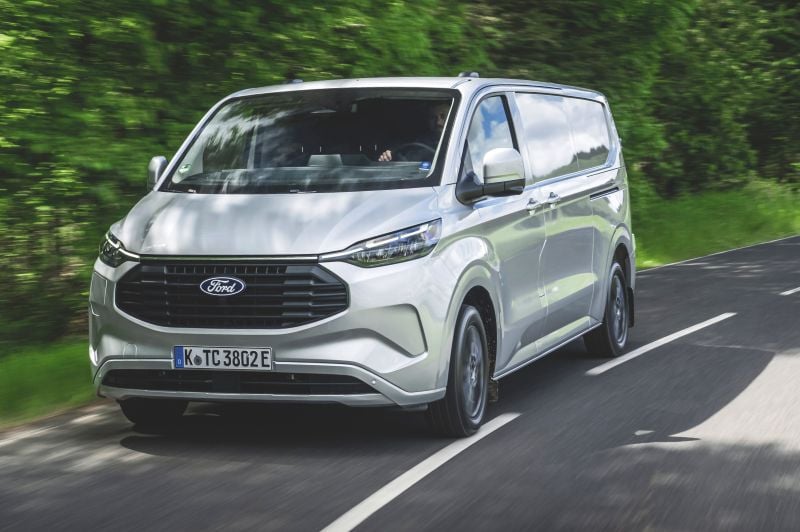
If you’re coming up to deciding on a new van for your business, it’s likely you’ll have considered whether it will be a conventional diesel-fuelled van or an electric van – but there is also a third option out there: a Plug-In Hybrid (PHEV) van.
Plug-In Hybrid vans combine a small battery with a conventional ICE (internal combustion engine) to give you a degree of electric power – and the lower running costs that come with that – with the reassurance of a fuelled-engine to travel further.
If your business commute is varied, then a PHEV could be an option to reap the best of both worlds.
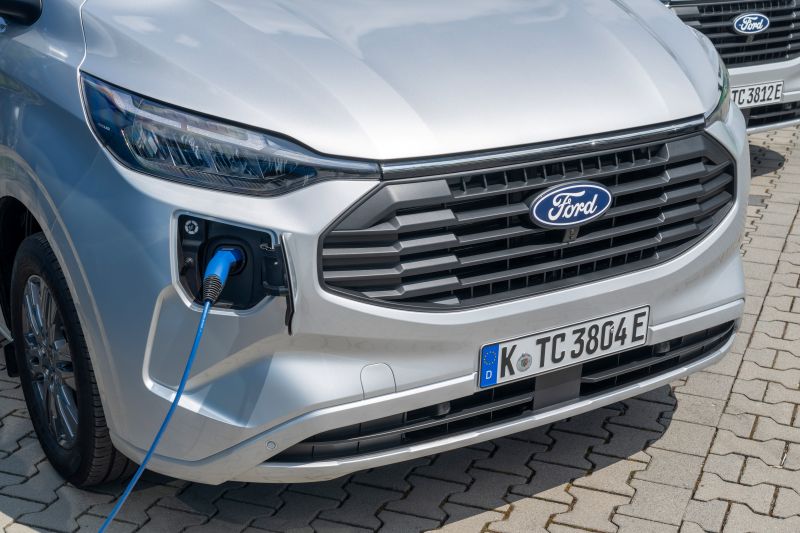
Why Choose a Plug-In Hybrid Van?
Deciding on whether a PHEV van is for you will likely depend on your circumstances.
While pure EVs – which emit zero emissions and cost just pennies to recharge compared to fuel – are an excellent way to significantly change your monthly outgoings, it’s true that limitations, like not having regular access to recharging facilities or a high-mileage business, won’t suit a switch just yet.
While PHEVs won’t deliver electric-only range comparable with EVs, by being capable of using electric power for large portions of some journeys, they can significantly reduce costs overall.
Moreover, PHEVs can potentially cover the mileage many drivers tend to commute every day – the Ford Transit Connect, for instance, is quoted with 70-miles of electric range.
If you have access to overnight recharging facilities and your daily mileage is modest, then it is possible to drive a PHEV van without ever needing to rely on the pricier fuel-fed engine.
However, if your daily drives are mixed – low mileage urban routes one day, high-mileage highway routes the next – then PHEV offers a great compromise by allowing you to reduce your running costs in the former, with none of the EV range anxiety associated with the latter.
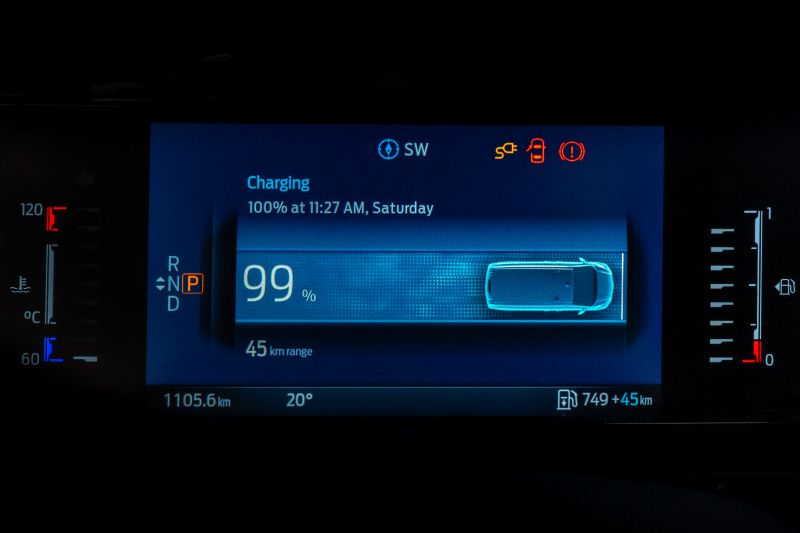
What is the Range of a PHEV Van?
The range of a plug-in hybrid van will differ depending on the van and the size of the battery it features, before then driving style, payload and other factors are considered.
As a rule of thumb, PHEVs have smaller batteries than pure electric vans – up to around 25kWh, compared with full EVs that are usually between 45-110kWh.
As such, PHEV range won’t get close to an electric van, but most offer anything between around 20 to 70-miles of electric-only range.
While it is very important to recognise that WLTP figures (* explained in more detail below) don’t always translate to real-world figures, the idea of PHEVs is their modest range is still enough to cover modest daily commutes for most businesses.
Plug-In Hybrid Vans You Can Buy Right Now
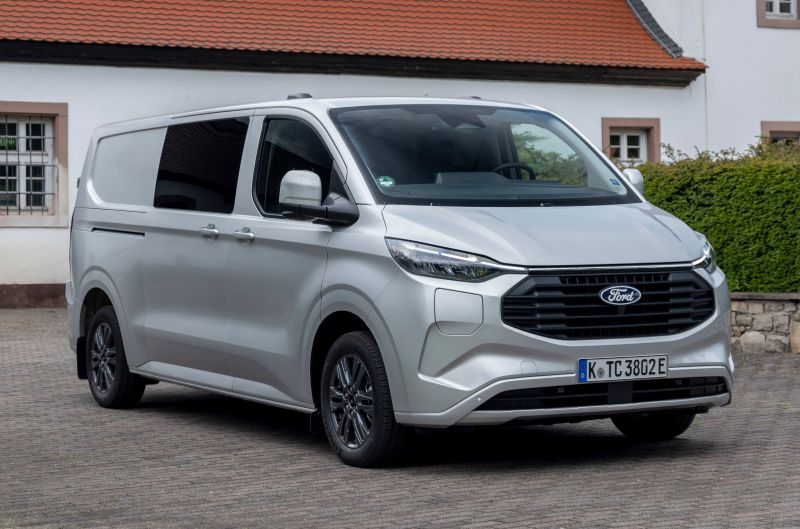
Ford Transit Custom PHEV
WLTP Electric Only Range: 25-35-miles*
Payload: 1100-1350kg
The Ford Transit Custom Plug-In Hybrid is offered alongside both conventional diesel and pure electric in its diverse line-up.
The latest model combines a 2.5-litre Duratec petrol engine with an 11.8kWh battery, which offers up to around 35-miles of electric-only range, though this is dependent on factors as driving style, weather temperatures and how much payload you might be carrying.
The electric-only range is particularly useful for those who might only complete relatively limited mileage on a daily basis and you have access to overnight charging facilities. Not only that though, but the input of electric power also helps improve overall fuel economy significantly on a combined cycle of EV/fuel.
See Ford Transit CustomVan Deals
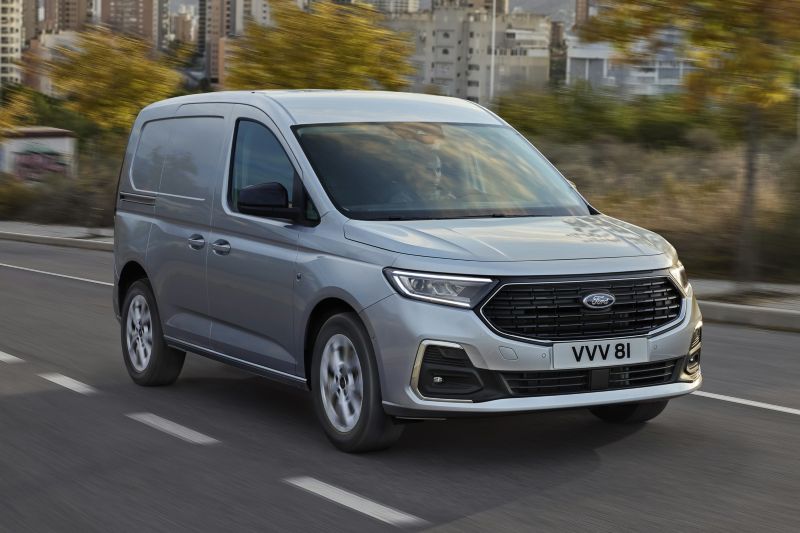
Ford Transit Connect PHEV
WLTP Electric Only Range: 72-miles*
Payload: 770kg
The Ford Transit Connect PHEV represents an alternative to pure electric small vans, not least because it comes with a comparatively large 19.6kWh battery for impressive electric-only range.
It means the Transit Connect PHEV has an official WLTP range of around 72-miles, which will cover many businesses’ daily commutes and routes without the assistance of an engine.
If you do need to travel further, a 1.5-litre petrol engine is on hand to take you the rest of the way.
See Ford Transit Connect Van Deals
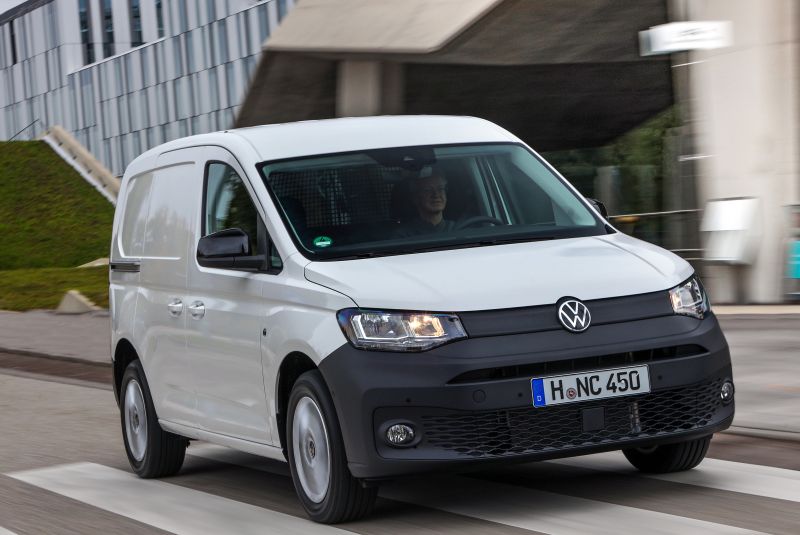
Volkswagen Caddy Cargo eHybrid
WLTP Electric Only Range: 72-miles*
Payload: 740kg
A sister model to the Ford Transit Connect, the Volkswagen Caddy Cargo also comes with a plug-in hybrid option, known here as eHybrid.
Similar aesthetically and technically, the Caddy Cargo eHybrid also has identical dimensions with 3.1 cubic metres of load space, plus up to 740kg for payload capacity.
See Volkswagen Caddy Van Deals
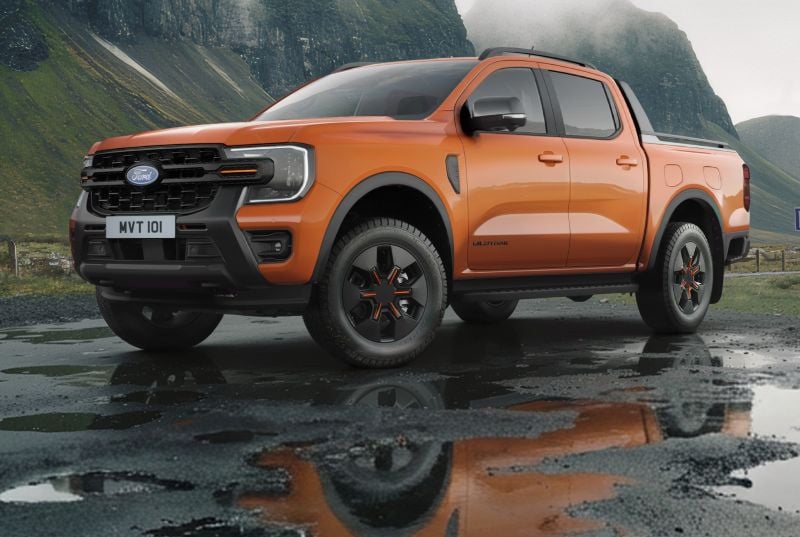
Ford Ranger PHEV
WLTP Electric Only Range: 27-miles*
Payload: 1049-1098kg
The Ford Ranger PHEV brings electric power to top-selling pick-up truck line-up as a more frugal alternative to traditionally thirsty big-bore turbodiesel engines.
Like the Transit Custom, the Ranger PHEV gets an 11.8kWh battery alongside a 2.5-litre petrol engine. Electric only power will take you approximately 27-miles, which Ford insists is enough for many people to commute day-to-day without needing to rely on the petrol engine.
Either way, it makes the Ranger PHEV immensely powerful at 277bhp, while the electric power can provide quite the thrust under hard throttle.
Importantly, the addition of a battery has no impact on payload capacity (up to 1098kg on some models), while towing capacity at 3500kg isn’t affected either.
Plug-In Hybrid Vans Coming Soon
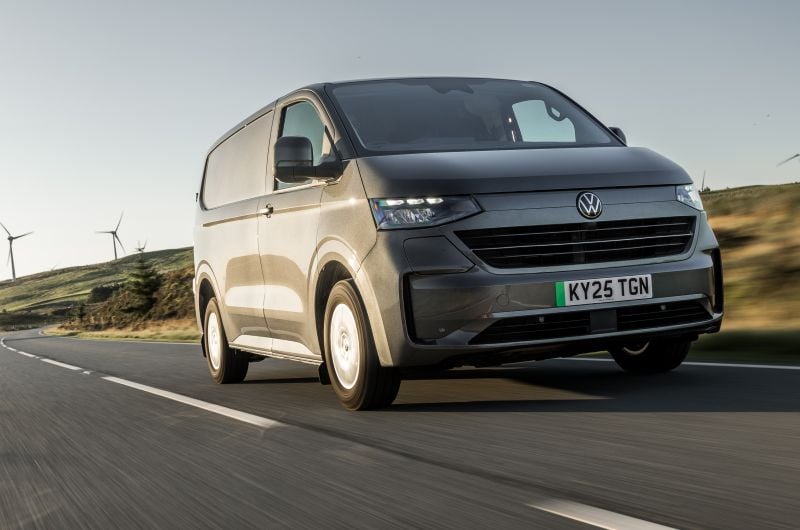
Volkswagen Transporter eHybrid
Like its sister Ford Transit Custom, the Volkswagen Transporter medium van will get a plug-in variant in 2026 to be sold alongside already available diesel and electric trims.
While no figures have been revealed as yet, expect them to closely mirror those of its Ford counterpart.
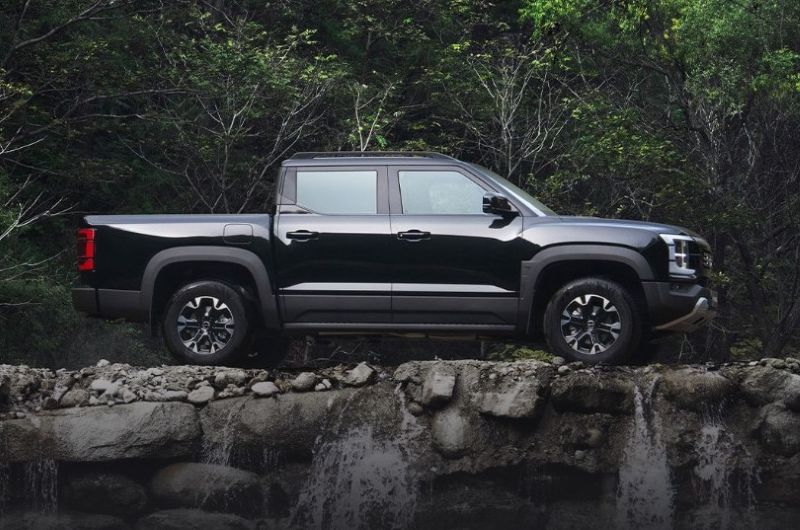
BYD Shark 6
The Ford Ranger PHEV is set to get a direct rival in the BYD Shark 6, a plug-in hybrid that is expected to join the Chinese firm’s range later in the year.
The model, which is already available in Australia, would appeal with muscular looks and high-tech interior, plus a potential 29.8kWh battery capable of travelling 62-miles on electric power alone.
* WLTP Range
WLTP (World Harmonised Light Vehicle Test Procedure) is a global testing standard to measure fuel consumption, CO2 emissions and electric vehicle range. The test is designed to combine a multitude of factors that might impact a vehicle’s output to glean an average reading. It is these figures that are used in promotional material by manufacturers and are labelled as having been independently WLTP approved.
However, it should be noted that real-world electric range is affected by wide-ranging factors that are difficult to replicate or gain a median of. For vans this includes how much a van might be carrying, the weather conditions, the state of the roads, driving style and speed travelled.
As such, while we mention the official WLTP figures to support our reporting here, real-world figures may be different on a day-to-day basis.