


The Van Driver's Guide to Wet Belt Maintenance and Protection
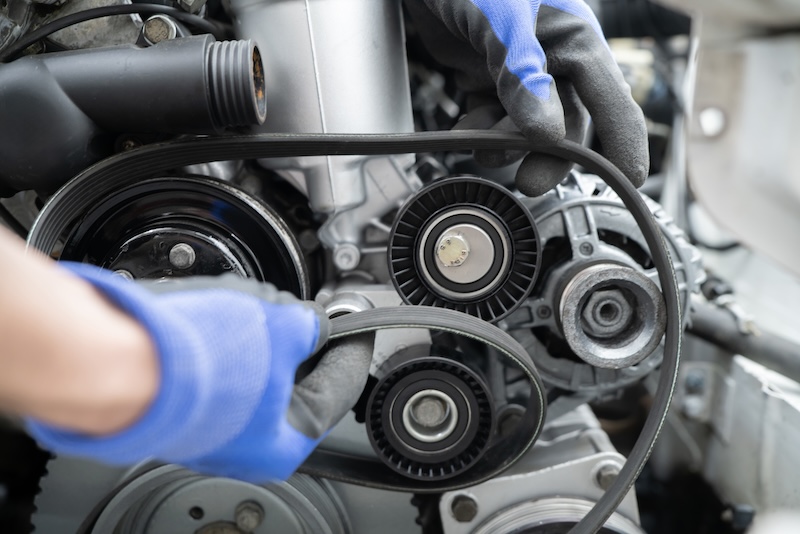
Although many engines use wet belts as a vital component (one of the best-known being Ford’s EcoBoost engines), many drivers neglect them or treat them as a complete mystery.
With wet belts playing a crucial role in so many engines, it’s important to know the basics and how to safely maintain and extend the life of your belts, and by extension, your car’s engine.
The wet belt in question is the engine’s timing belt. A timing belt ensures every operating step happens at the right time within the engine. It is a reinforced rubber band (or, metal chain in some cases) that synchronises the rotation of the engine’s crankshaft and camshaft so the pistons and valves open and close at the exact right time.
The difference between a normal belt and a wet belt is that the wet belt runs submerged inside engine oil, rather than in a dry casing – this was introduced around the late 2000s, touted as a measure to reduce friction, lower engine noise and improve fuel economy and emissions compared to dry belts or timing chains.
Common problems with a wet belt system
- When a belt begins to wear, particles from the outer coating and small flakes of rubber can begin to circulate within the oil in the engine, and even get stuck in the oil sump and other moving parts – this can cause low oil pressure and blockages within the system
- When the engine oil is low, or the incorrect engine oil is added, it can accelerate wear on the belt itself, as well as other components
- Wear and tear to the belt, including the teeth smoothing and fraying around the edges, can cause incorrect timing and affect the traction on pulleys and pumps
- Without proper maintenance, the belt can snap, instantly throwing off the engine timing and shredding the remainder of the belt inside the engine, leading to massive damage
How to know when your wet belt needs replacing?
As you can imagine, if this belt fails, not only will it leave you stranded at the side of the road, but in some cases it can require a full engine replacement or rebuild, which will often cost more than the value of the car or van as a whole. When the timing is thrown off, the pistons can smash into the valves, causing irreparable damage.
Because wet belts are encased within the engine, it is crucial to listen out for the most common warning signs, such as a ticking or clicking sound, engine misfires, warning lights, rough idling, performance issues or stalling, difficulty starting and, in some cases, dark smoke from the exhaust.
By the time warning signs are noticeable, a timing belt is already well on its way out, so it is important to check your owner’s manual to see how often it needs to be replaced and stay on top of maintenance.
How to prevent damage and prolong the life of a wet belt
Despite all the online banter about Ecoboosts, good driving habits such as following regular servicing and upkeep schedules, as well as keeping a close eye on warning signs, can keep a wet belt engine running just as long as any others.
Get your belt checked sooner rather than later if you are experiencing oil pressure warning lights in particular.
Between oil changes, remember to keep your oil topped up, and perform checks regularly – low oil levels are a common issue that leads to premature belt wear.
Similarly, double-check that you are using the correct engine oil for your manufacturer and specifically for engines with wet belts, as they will often contain additives to prolong the life of the belt. Wet belts rely on clean, high-quality oil for lubrication.