


Heavier Electric Vans to Adopt Standardised MOT Test Regime
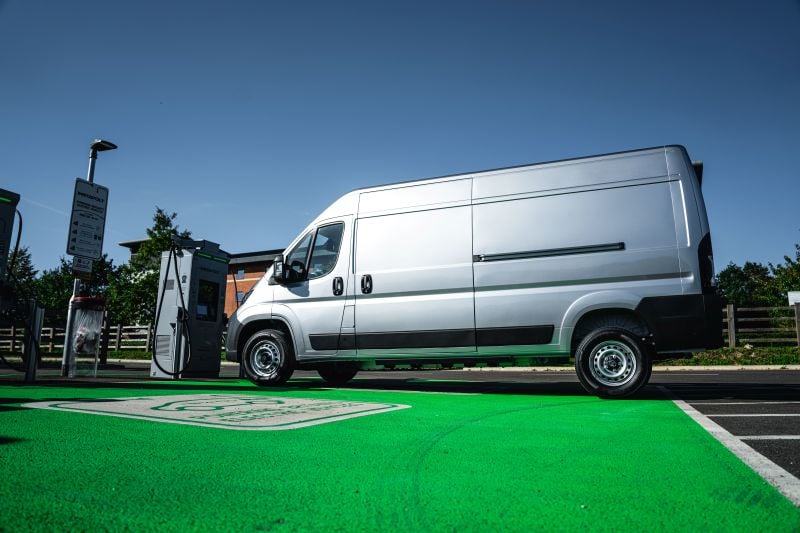
Electric vans weighing between 3.5 and 4.25-tonnes are to resume standardised MOT testing following a petition to reclassify them in the eyes of the Government.
Until now, electric vans weighing between 3.5-tonnes and 4.25-tonnes were subject to heavy-goods vehicle testing parameters because 3.5-tonnes is the maximum weight allowed to be classified as an LCV.
However, campaigners argued that they only reason why certain electric vans exceeded this was because of the weight of the battery pushing them into a higher bracket normally reserved for HGVs.
It was argued that subjecting these vans to HGV testing added cost, limited test availability and risked downtime for fleets, thus stymying large electric vans for adoption by businesses.
The Department for Transport has subsequently agreed, saying the current rules are built around a framework for diesel-engine vans only.
As such, electric vans weighing up to 4.25-tonnes will be subject to the Class 7 MOT regime going forward, which is the same system used for 3.5-tonne diesel vans.
This means they will undergo their first MOT assessment three-years after registration, followed by an annual test thereafter with no HGV-specific checks.